
How we research, write, and review every article
Addiction and mental health content carries real consequences when it's wrong. Here's exactly how we keep it right, and who is accountable for it.
- Every day, 8am – 8pm
- 100% confidential (HIPAA & 42 CFR Part 2)
- Adults 18+ · dual-diagnosis welcome
Our process
Four steps, every article, no exceptions
1. Research
Every article starts from clinical and government sources (SAMHSA, NIDA/NIH, the CDC, and peer-reviewed journals) plus our own clinical team’s direct treatment experience. We do not draw on other blogs or unsourced claims.
2. Draft
Our editorial team writes every piece in plain, direct language, the goal is a genuinely useful answer to the question that brought someone to the page, not a page built to rank first and inform second.
3. Clinical review
Before anything publishes, a credentialed member of our clinical or executive leadership team reviews it for medical and clinical accuracy. You’ll see exactly who reviewed each article in the byline at the bottom of the page.
4. Keep it current
Addiction treatment and medical guidance change. We periodically revisit older articles to update statistics, treatment guidance, and terminology so what you’re reading reflects current standards of care, not the day it was first written.
Who reviews our content
Our clinical and executive reviewers
Every article's byline names the specific reviewer who vouched for its clinical accuracy. Here's who they are.
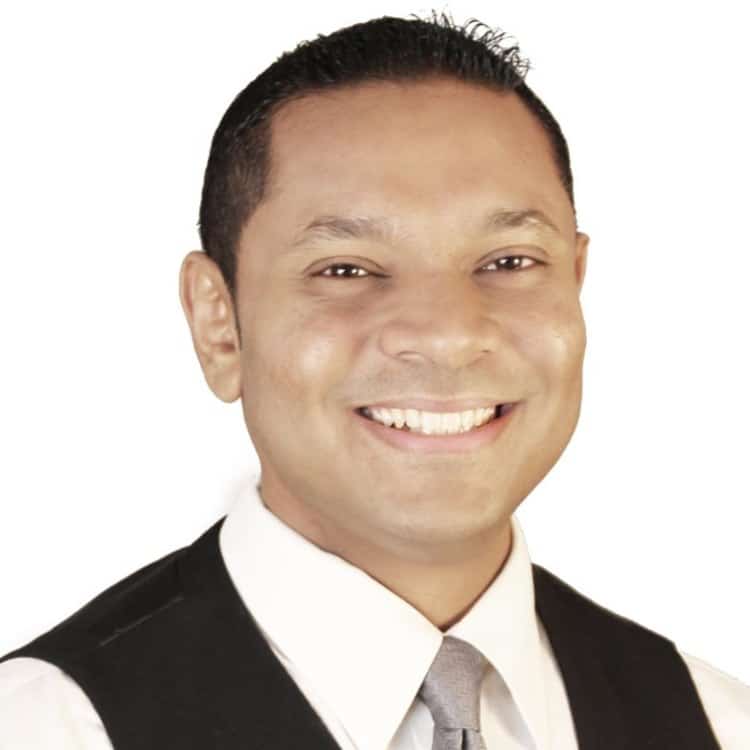
Medical Director
Dr. Sanjai Mathew Thankachen, MD, is Medical Director at Golden Coast Rehab. A board-certified psychiatrist, he provides clinical oversight of psychiatric care, medication management, and the medical side of co-occurring treatment, with an emphasis on patient safety and evidence-based practice. He completed his medical training at Adichunchanagiri Institute of Medical Sciences in India and a psychiatry residency at Creedmoor Psychiatric Center in New York, with clinical rotations at Columbia Presbyterian Hospital. He has held Medical Director and Associate Medical Director roles at hospitals and partial hospitalization programs across California, working with mood disorders, psychotic disorders, substance use disorders, and complex dual-diagnosis presentations. His background also includes psychiatric research, including work with the Schizophrenia Research Unit at Stanford University and contributions to the CATIE and CAFE studies.
Notice something that needs correcting?
If you find outdated information or a factual error in any article, we want to know, contact us and we'll review it.